
Pressure cascades depend on doors
Classified areas hold a pressure differential. An opening that stays open too long, or seals badly, breaks the cascade.
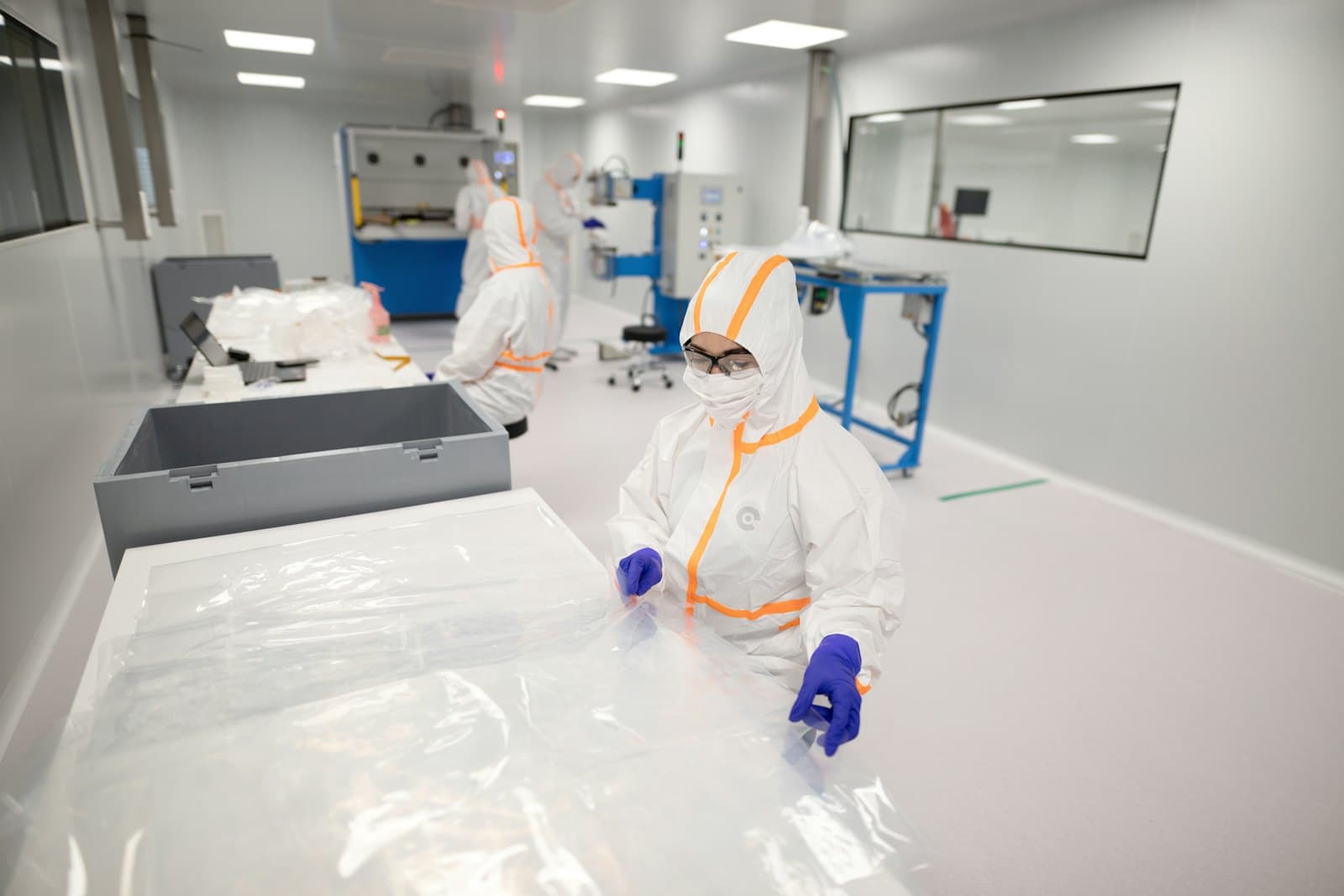
Industry
Controlled transitions where the door is part of the classification.
01Industry challenges
Classified areas hold a pressure differential. An opening that stays open too long, or seals badly, breaks the cascade.
A door in a classified area must not be a particle source. Construction, surfaces and drive position all matter.
Airlocks need two openings that cannot be open at once, and that requires the doors to be specified as a pair.
Every surface has to be wipeable, with no ledges or fixings that collect residue.
02Recommended solutions
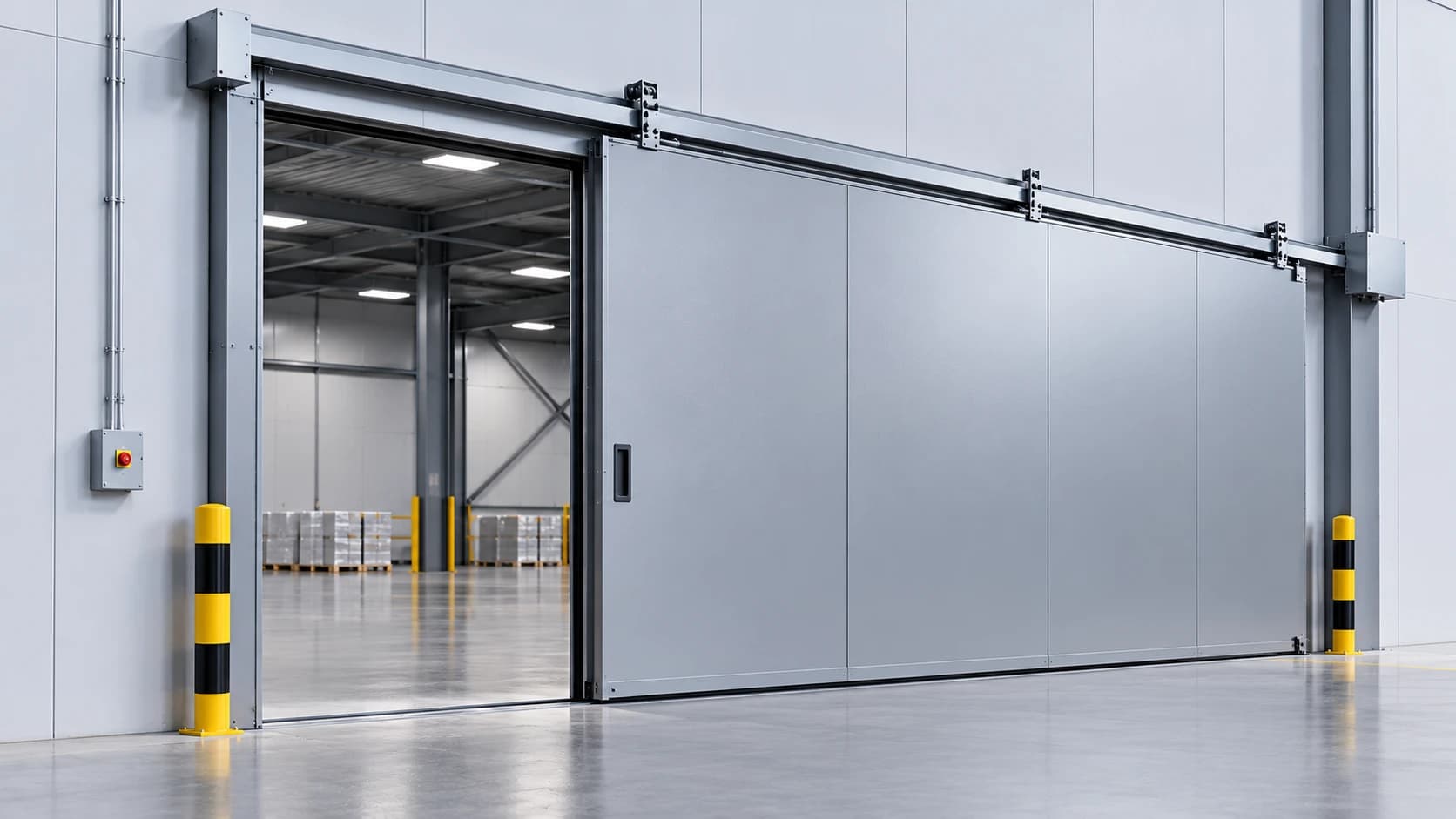
Fire & Safety
Automatic sliding doors with HPL, painted steel or powder-coated aluminium leaves, lead-lined options and glazed vision panels, for hospital, clean room and cold store openings.
3 configurations
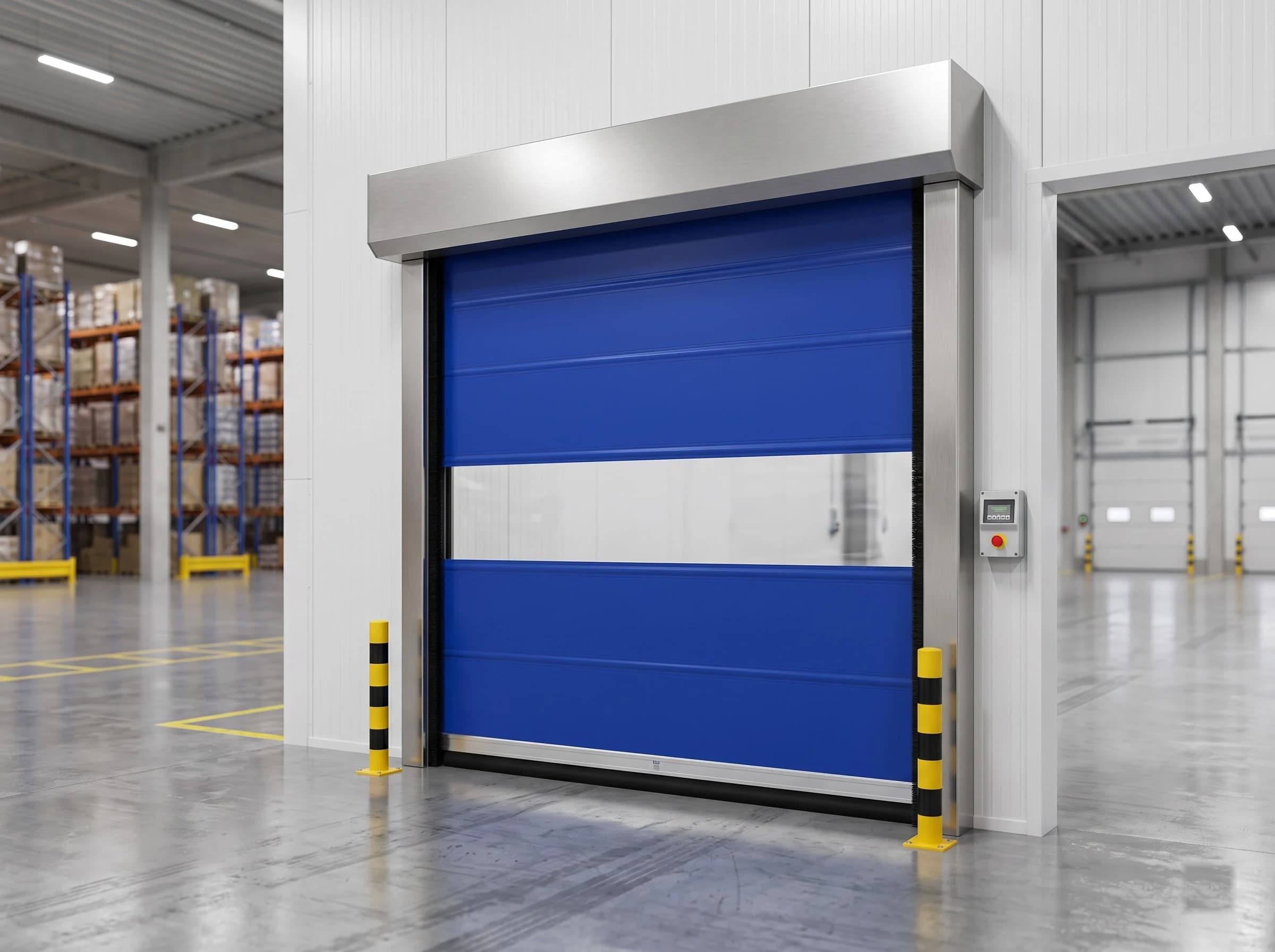
High Speed Doors
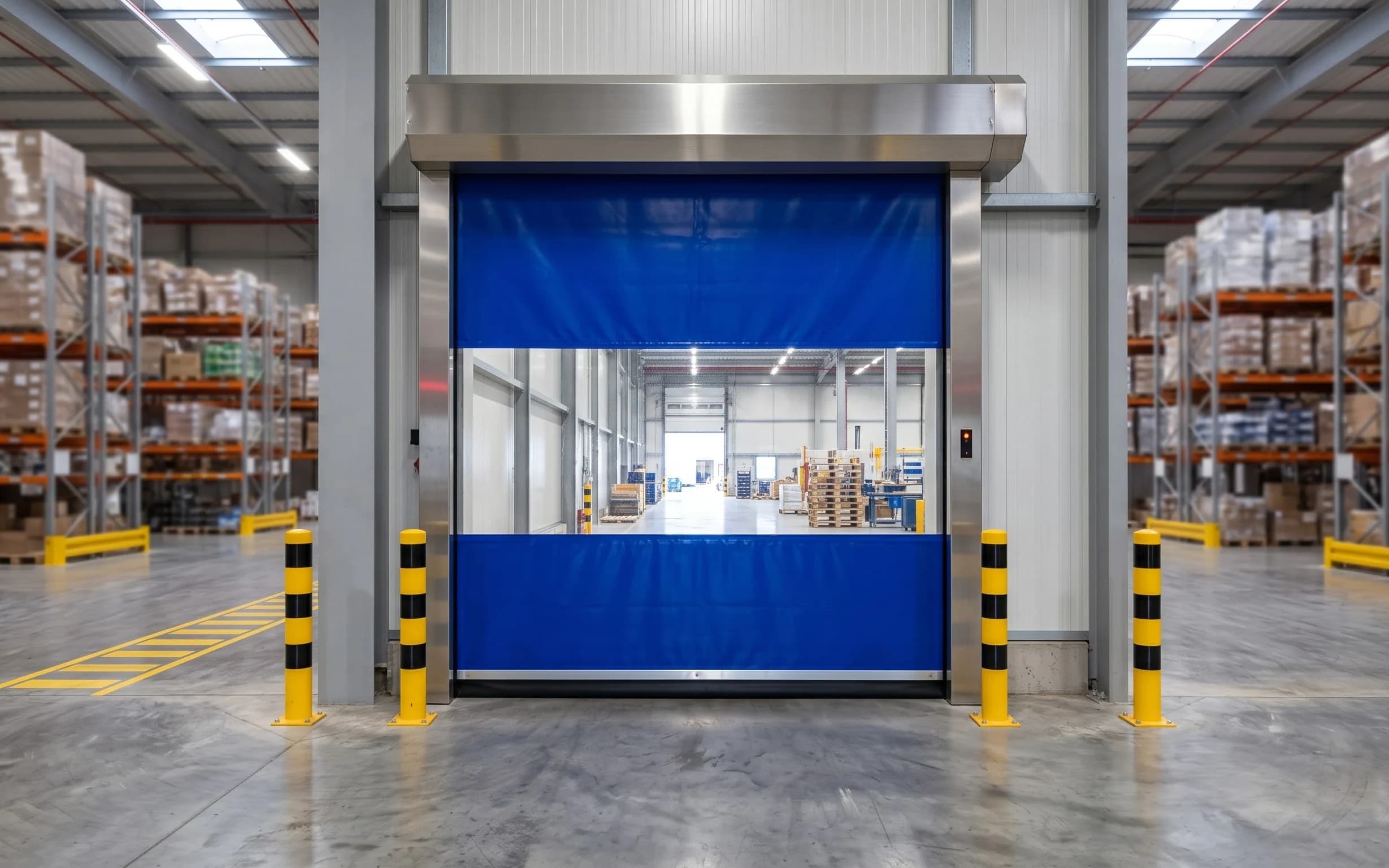
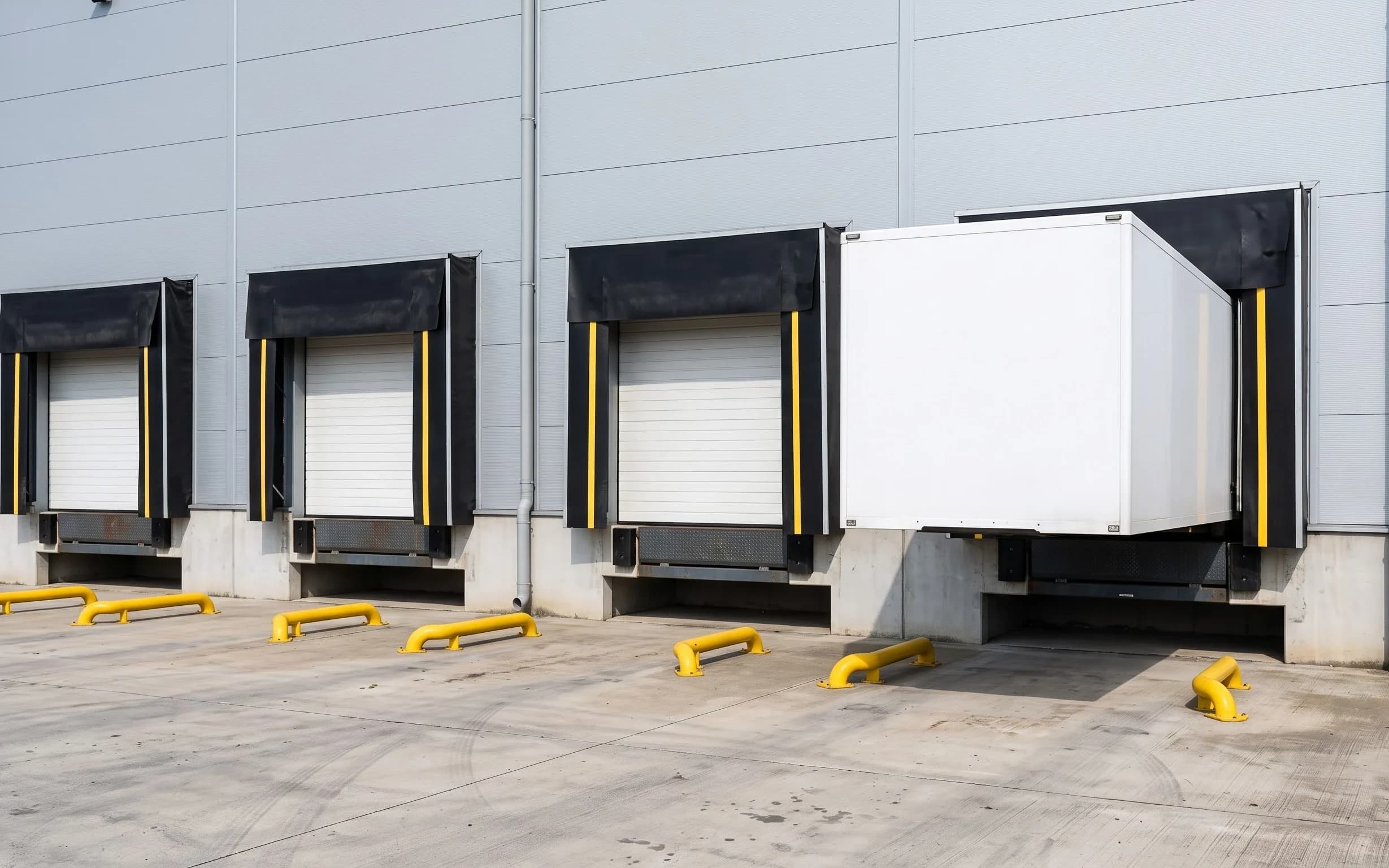
Flexible PVC curtain rolling onto a drum above the opening, up to 5,000 × 5,000 mm, opening at 0.8–2.5 m/s under PLC, inverter and encoder control.
3 configurations
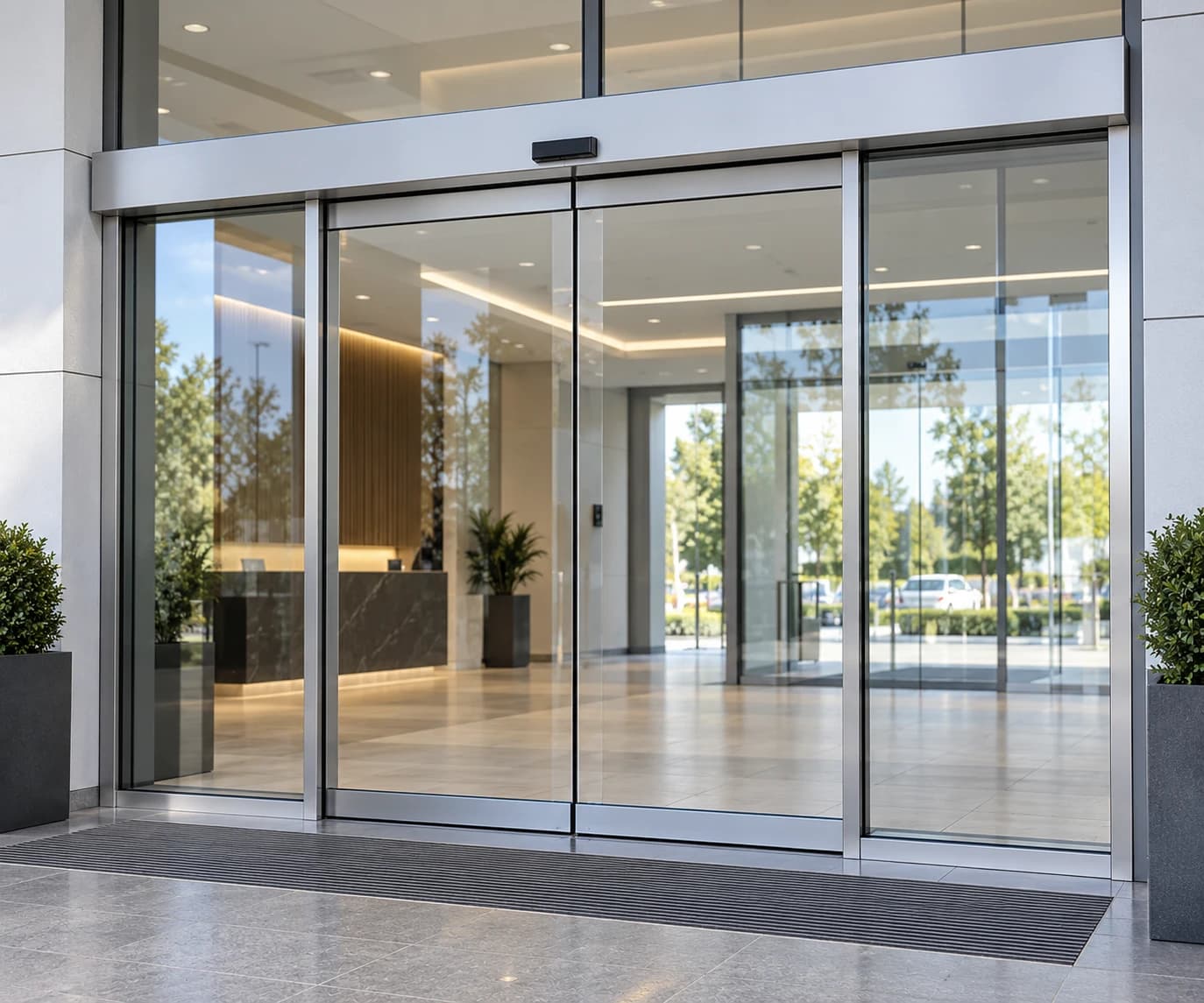
Entrance Automation
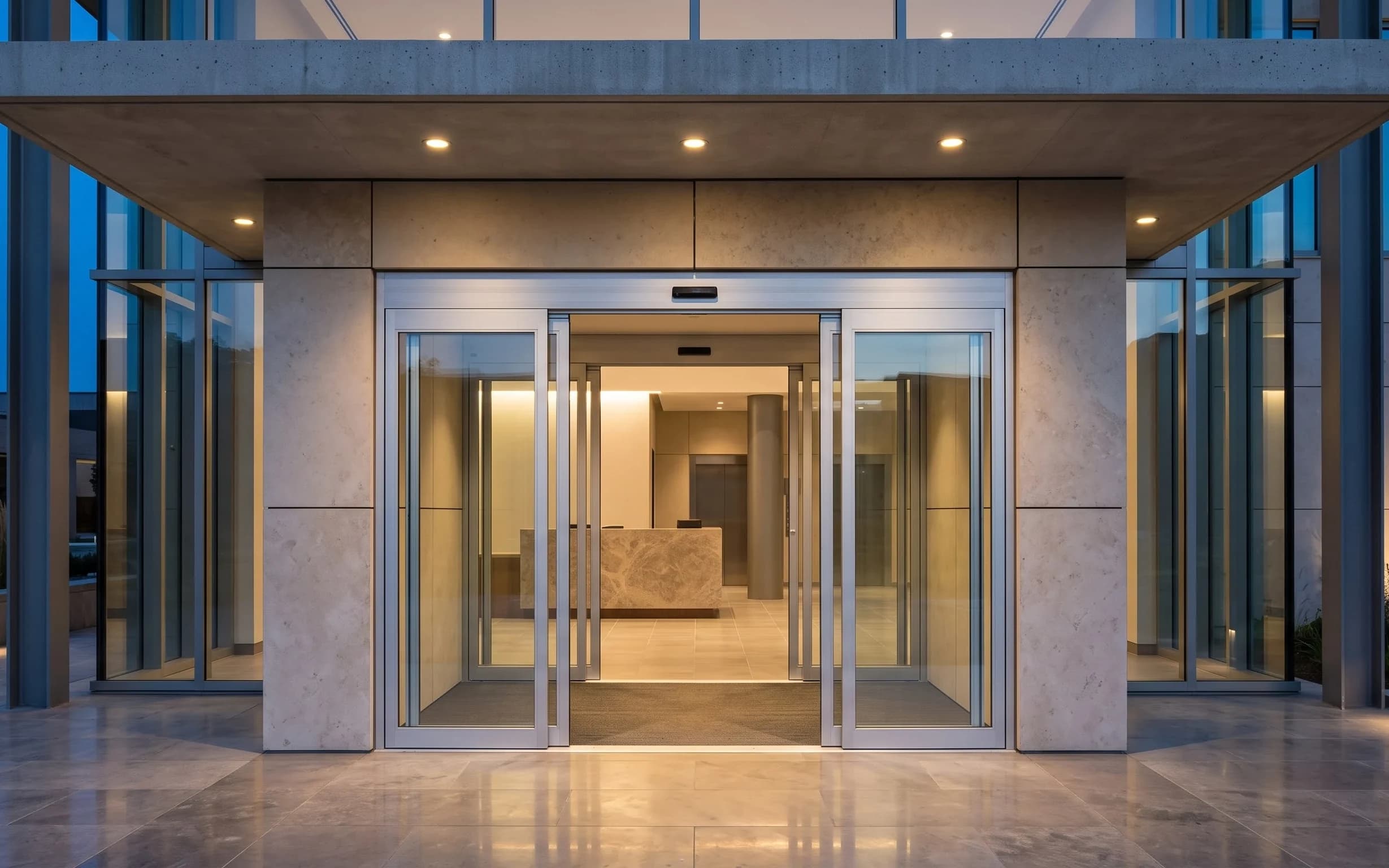
Sensor-operated sliding glass door systems for lobbies, retail and healthcare entrances, in single-leaf and bi-parting arrangements with defined egress behaviour.
4 configurations
03Engineering considerations
Specify the classification and pressure differential for each side of the opening.
Interlocking has to be designed in, not added after commissioning.
Hygienic sliding doors and gear-drive operators avoid the exposed chain and dust traps of standard industrial hardware.
Fully classified cleanroom and hermetic door lines are not currently confirmed Standard Automation products — we will tell you where the range stops.
Agree the cleaning regime early; it drives material and finish selection.
Get in touch
Send the opening details and the constraint you are working against, and we will come back with a specification.