


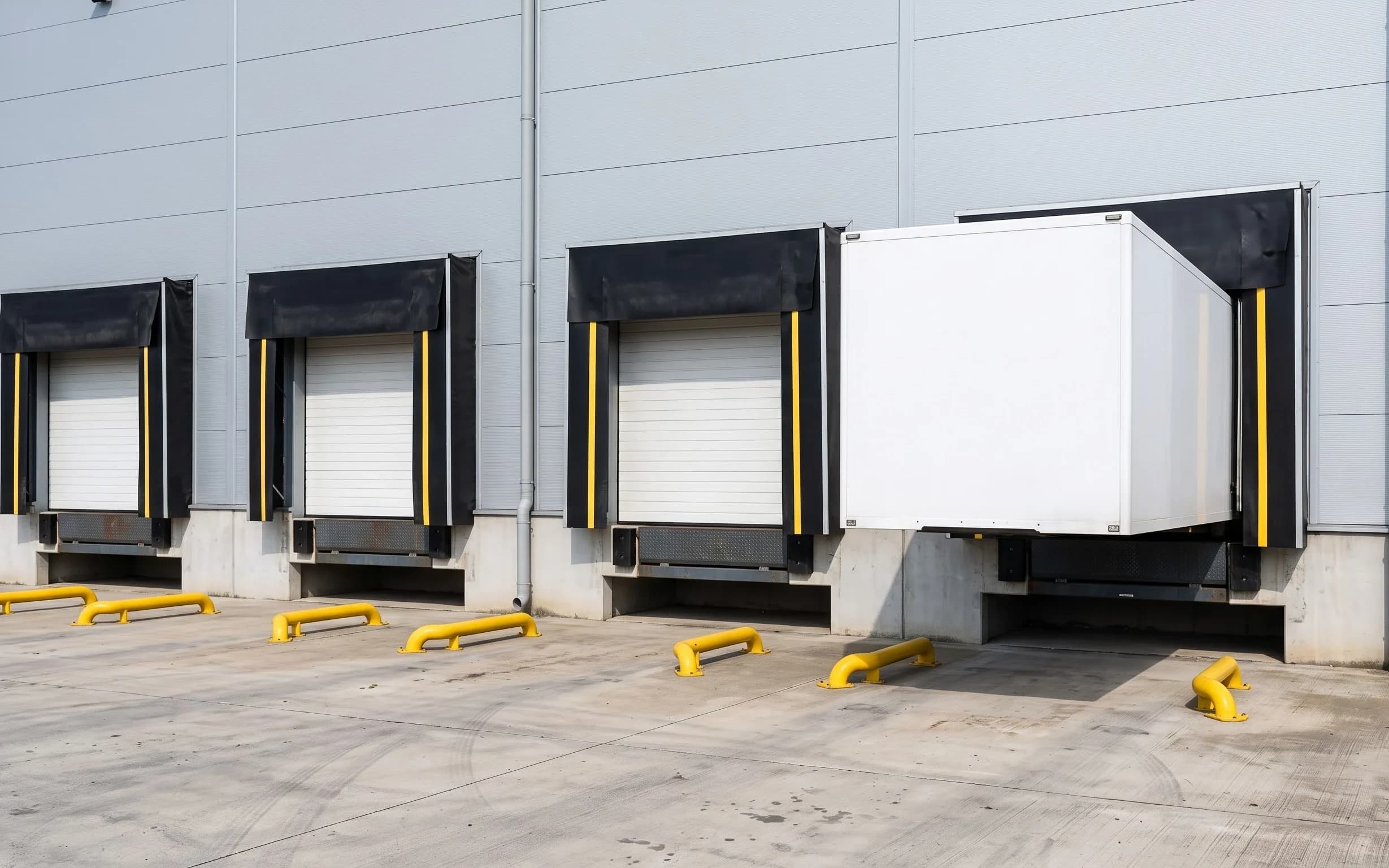
Enforced single passage
Tripod, flap and full height units allow one authorised movement at a time rather than only signalling that a rule was broken.
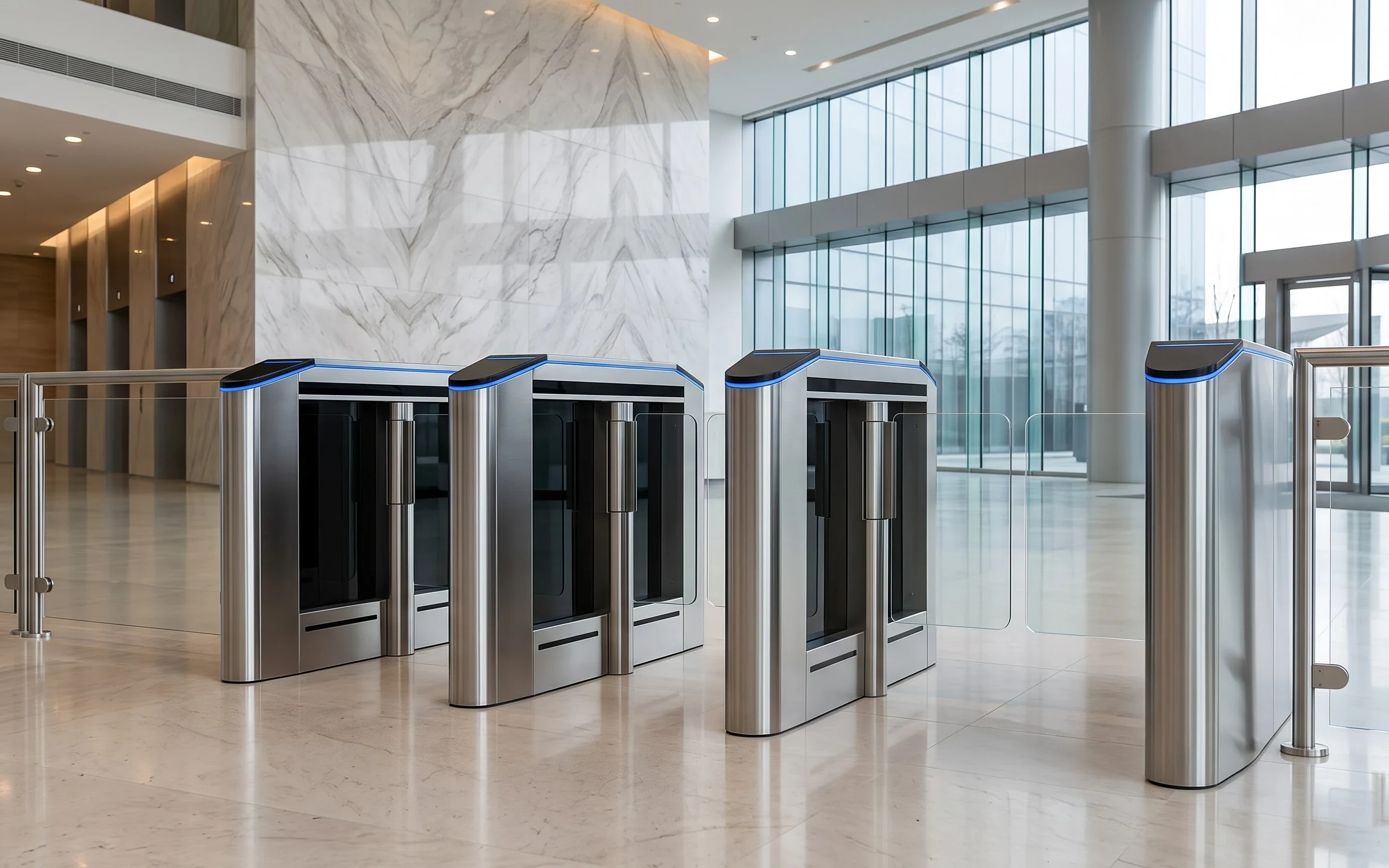
One authorised movement at a time, on foot and on wheels.
01Introduction
Access control is a layered problem. Vehicles are metered at the gate line, pedestrians at the door line, and each layer tolerates a different amount of delay and fails in a different way.
Pedestrian products are graded by physical resistance: flap barriers detect and deter at speed, tripod turnstiles enforce single passage mechanically, and full height turnstiles make an unsupervised line genuinely unclimbable. On the vehicle side, a boom barrier is a control device rather than a security barrier — it meters traffic and records movements, and it will not stop a determined vehicle. Bollards will.
02Why
Tripod, flap and full height units allow one authorised movement at a time rather than only signalling that a rule was broken.
The right layer for the risk: lane detection in a lobby, a mechanical rotor at a gate house, a fixed bollard at the vehicle line.
Standard dry-contact and reader interfaces for cards, biometrics, QR and visitor management.
Free-exit and emergency release behaviour is specified up front, so egress never depends on power.
03Categories
A category here is a construction or operating principle — the level at which two products genuinely behave differently, rather than just being finished differently.
Graded by physical resistance: detect and deter at lane speed, then enforce single passage mechanically, then make the line unclimbable.
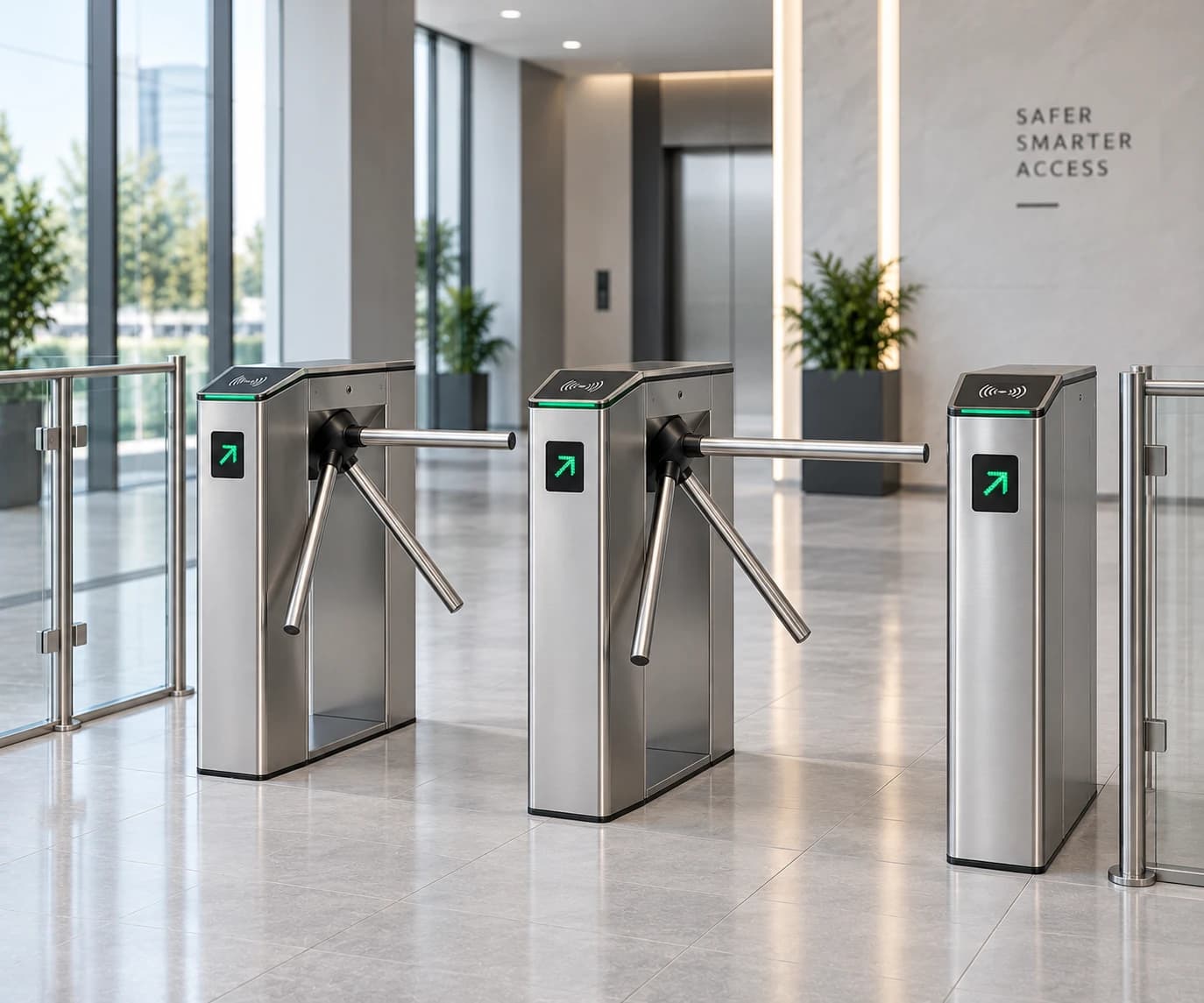
Access Control
Tripod turnstiles for controlled pedestrian entry at gate houses, staff entrances and transit points, with drop-arm emergency release.
2 configurations
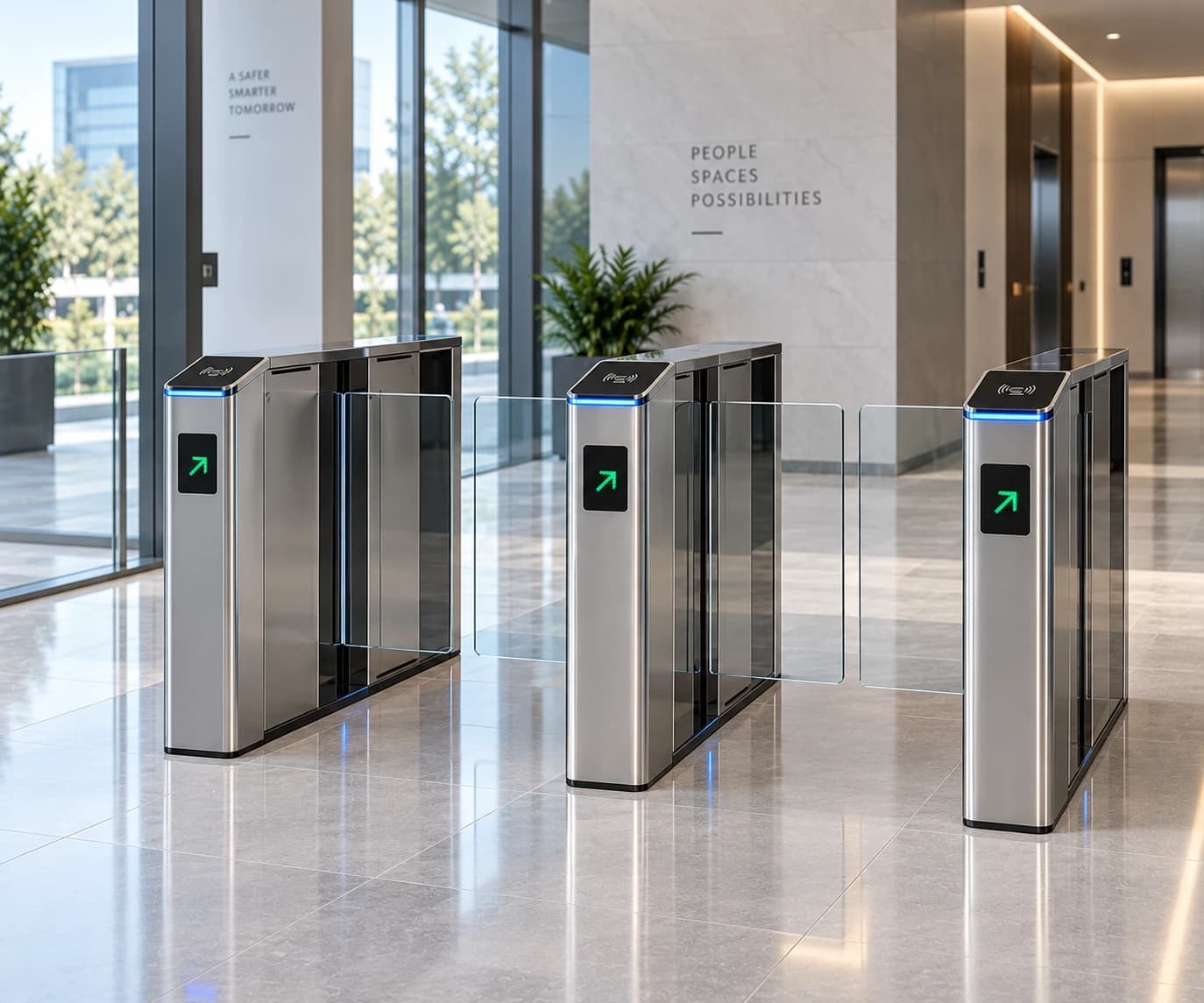
Access Control
Flap barrier lanes with retracting acrylic or glass wings for corporate lobbies and high-footfall entrances, including wide accessible lanes.
2 configurations
Access Control
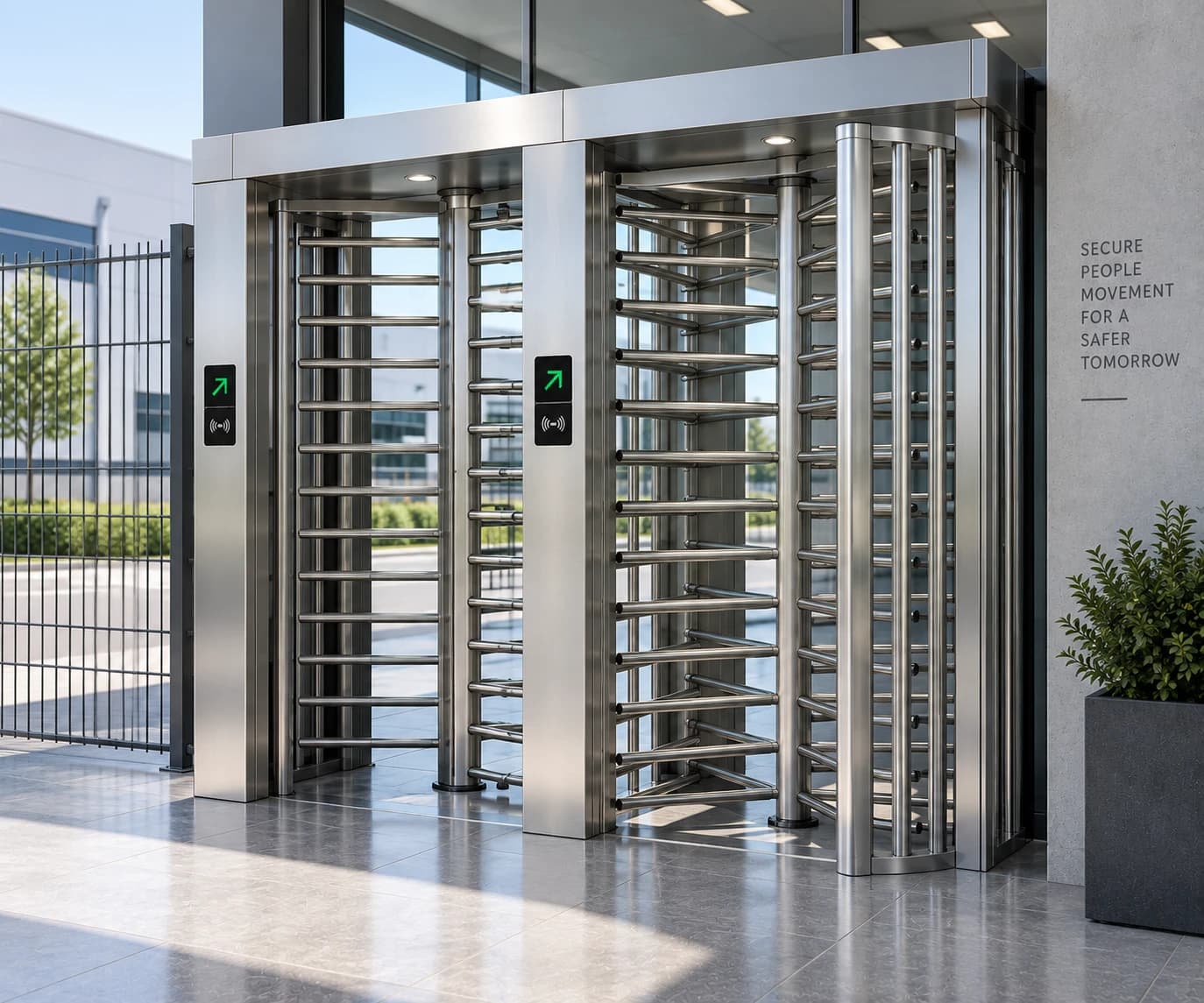
Full height turnstiles in single and twin rotor configurations, for unsupervised perimeter entry points where over and under have to be impossible.
2 configurations
Metering devices that regulate and record vehicle movement, and physical barriers where a decision has to be enforced rather than signalled.
Access Control
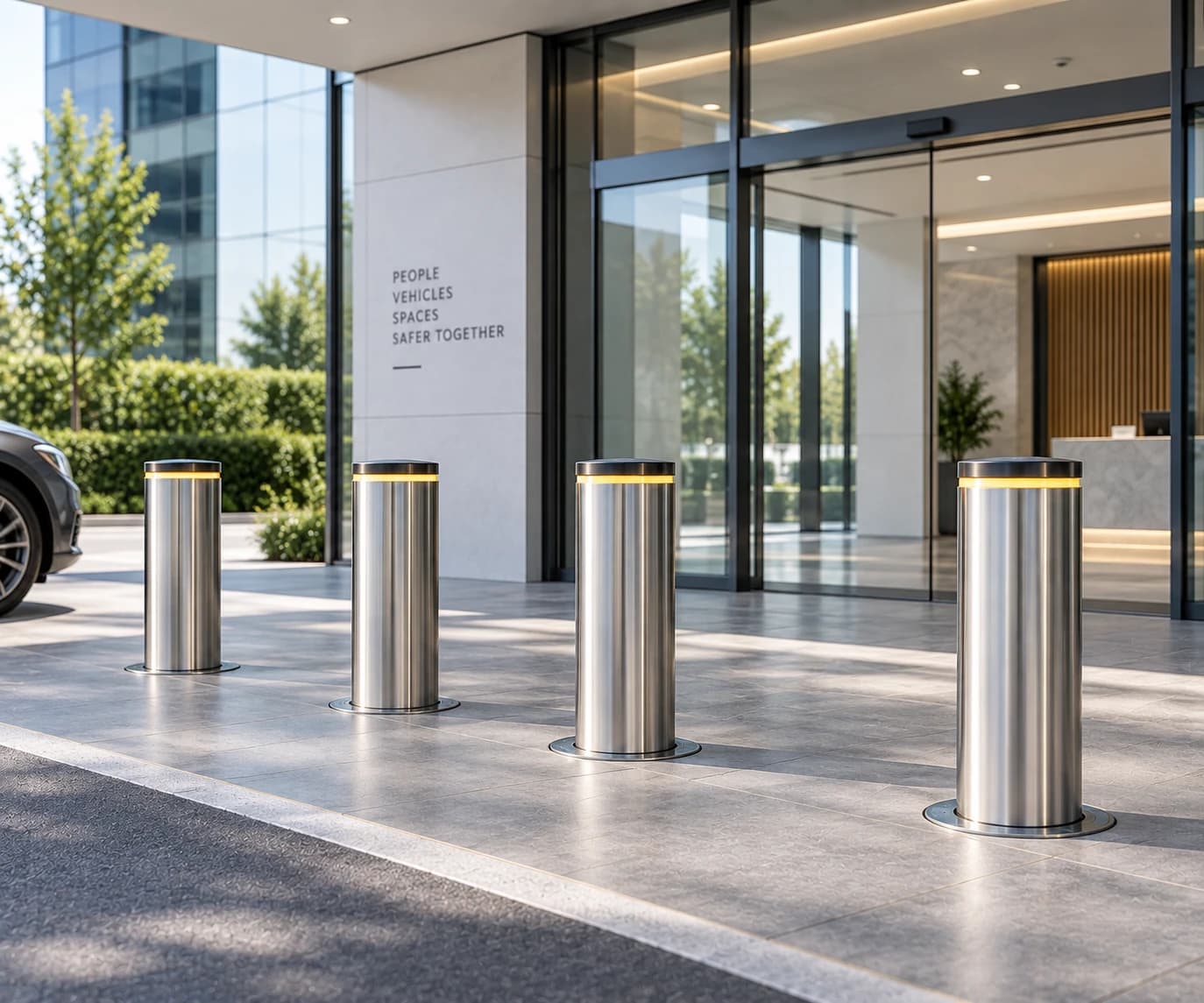
Fixed, removable and automatic rising bollards for controlling vehicle access to entrances, plazas and restricted zones while pedestrians pass freely.
3 configurations
Access Control
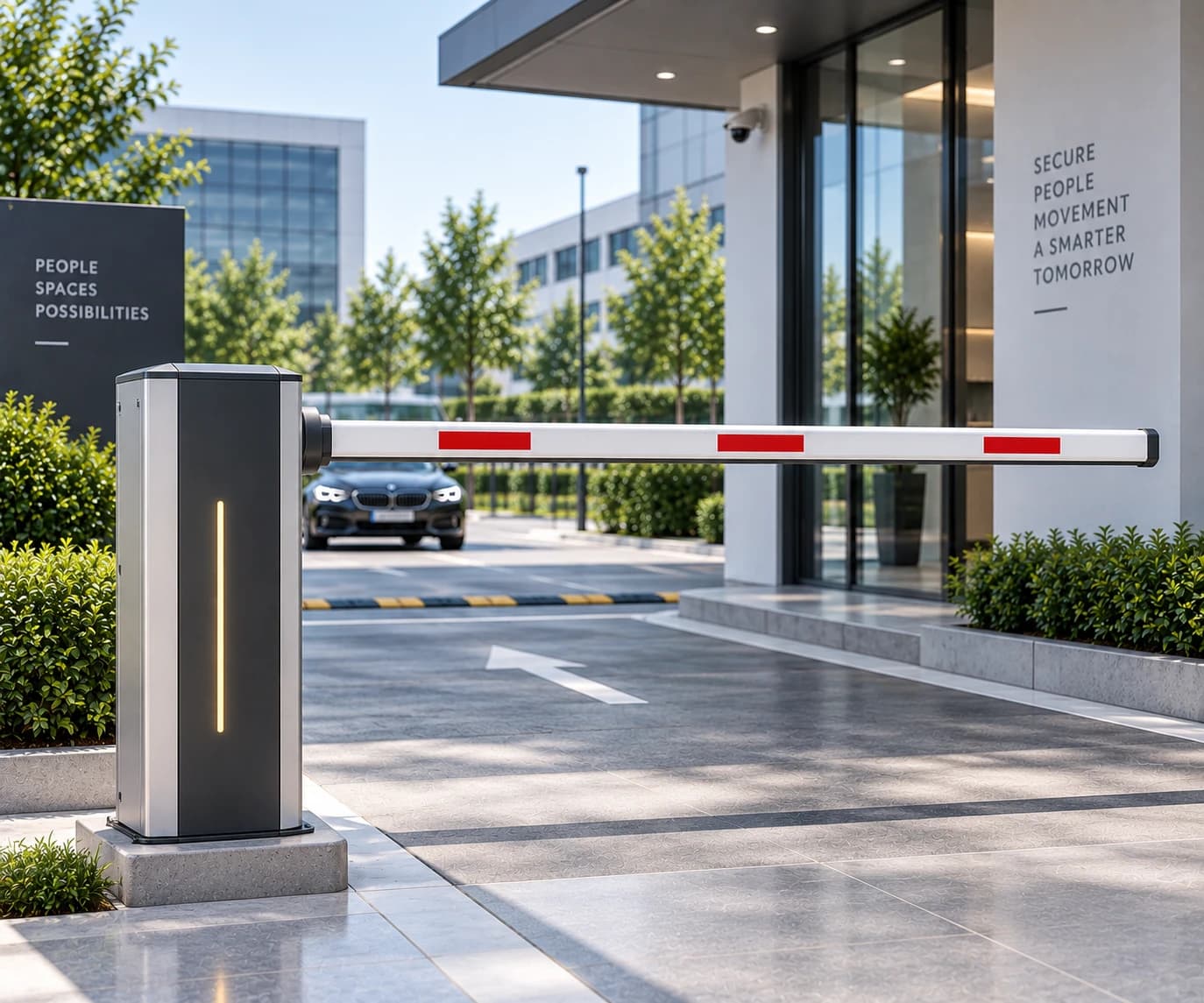
Automatic boom barriers for car park entries, plant gate houses and toll points, driven from loop detectors, readers, remotes or a gatehouse control.
3 configurations
Access Control
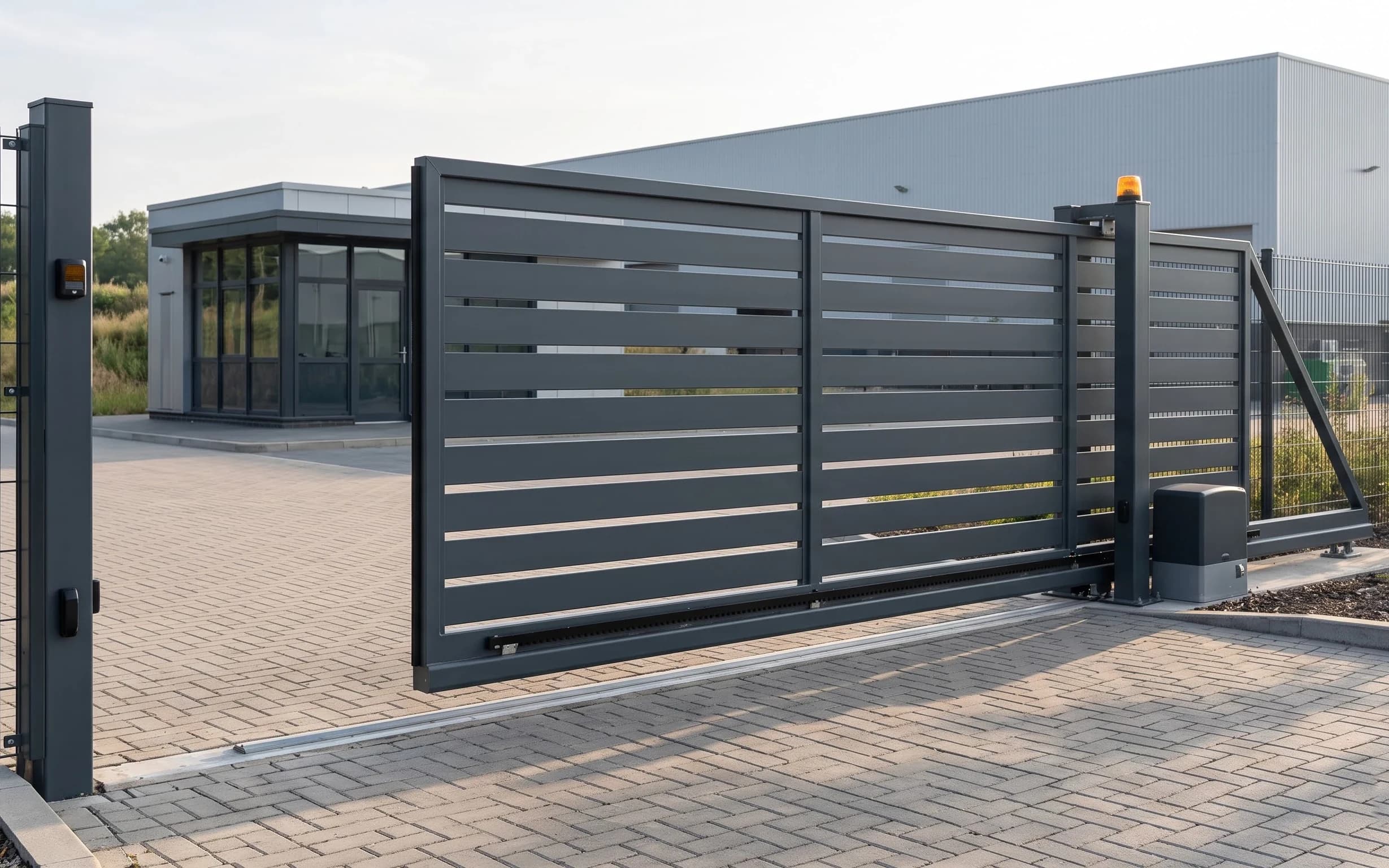
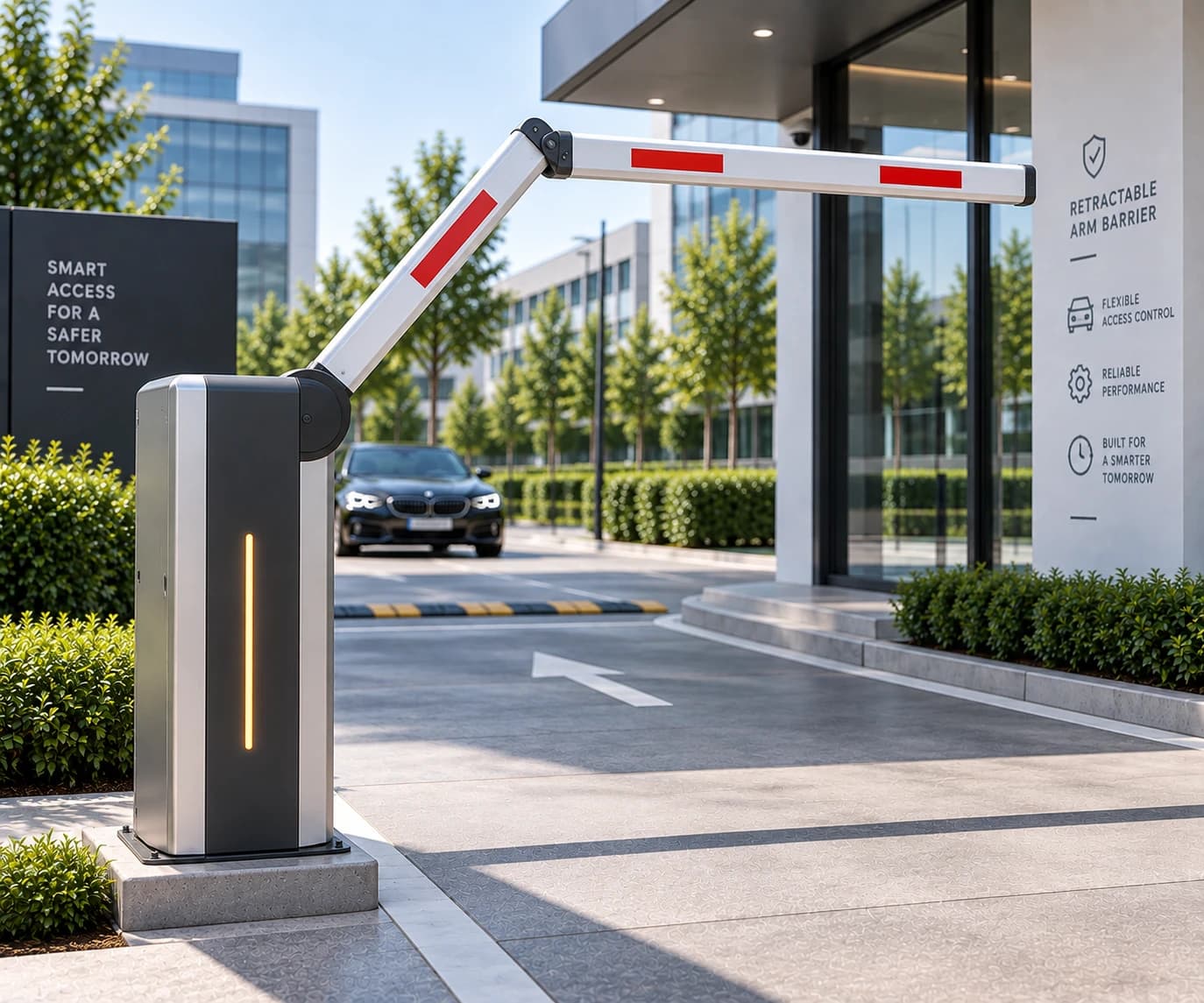
Retractable barrier systems that close a wide vehicle or pedestrian line and fold back into a compact stack when the route is open.
2 configurations
04Compare
What each product in this family is for, what it is built to survive, and whether we can publish a specification table for it today.
05Performance considerations
Peak throughput per lane, in people or vehicles per minute.
Whether the point is supervised or unsupervised — that is the tripod versus full height decision.
Physical resistance actually required, and whether the threat is casual or hostile.
Accessibility: at least one wide lane for wheelchair users, trolleys and luggage.
Escape strategy and what happens on alarm and on power loss.
The reader, credential and visitor system it has to interface with.

Get in touch
Tell us the opening dimensions, the daily cycle count and the site conditions, and we will specify the right access control & vehicle barriers configuration and quote against it.