



Loading Bay
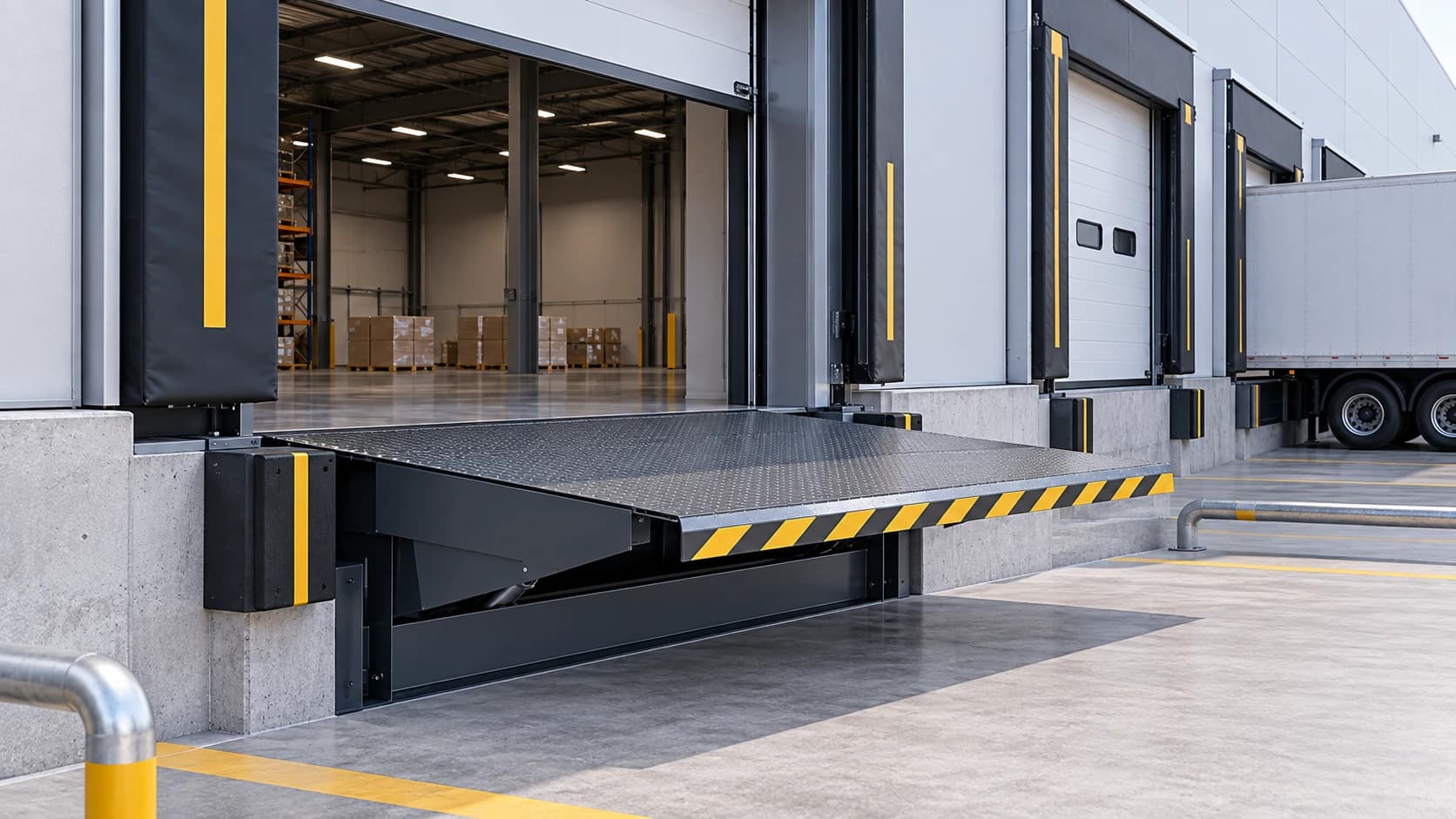
Dock Levellers
Hydraulic dock levellers with 2000 and 2500 mm platforms, working above and below dock level, on a 14 mm tear plate deck rated from -35 °C to +50 °C.
2 configurations
Explore product
Loading Bay Equipment/Dock Shelters & Houses
Sealing the gap around the vehicle, not just under it.
 Loading Bay
Key specifications
01Overview
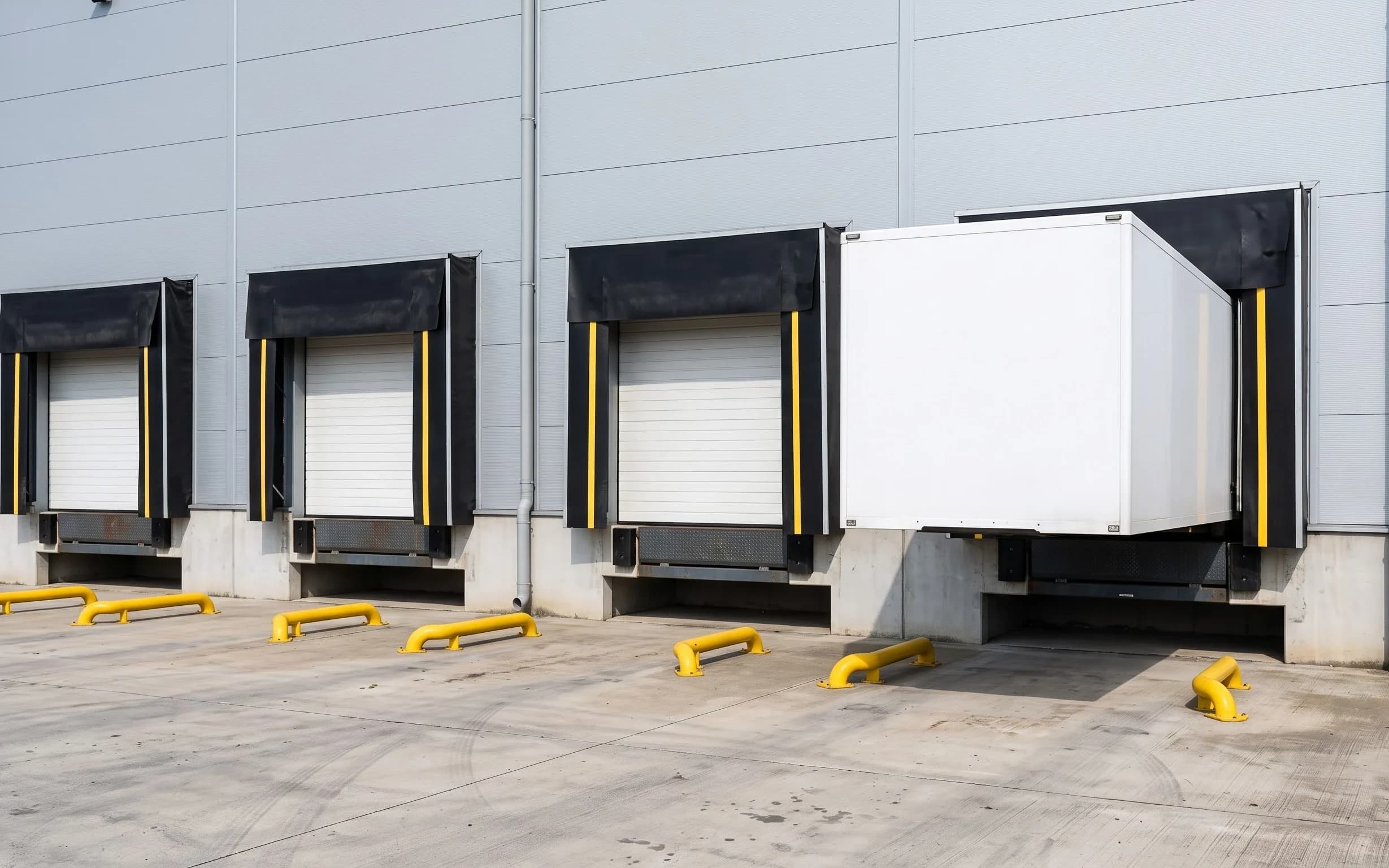
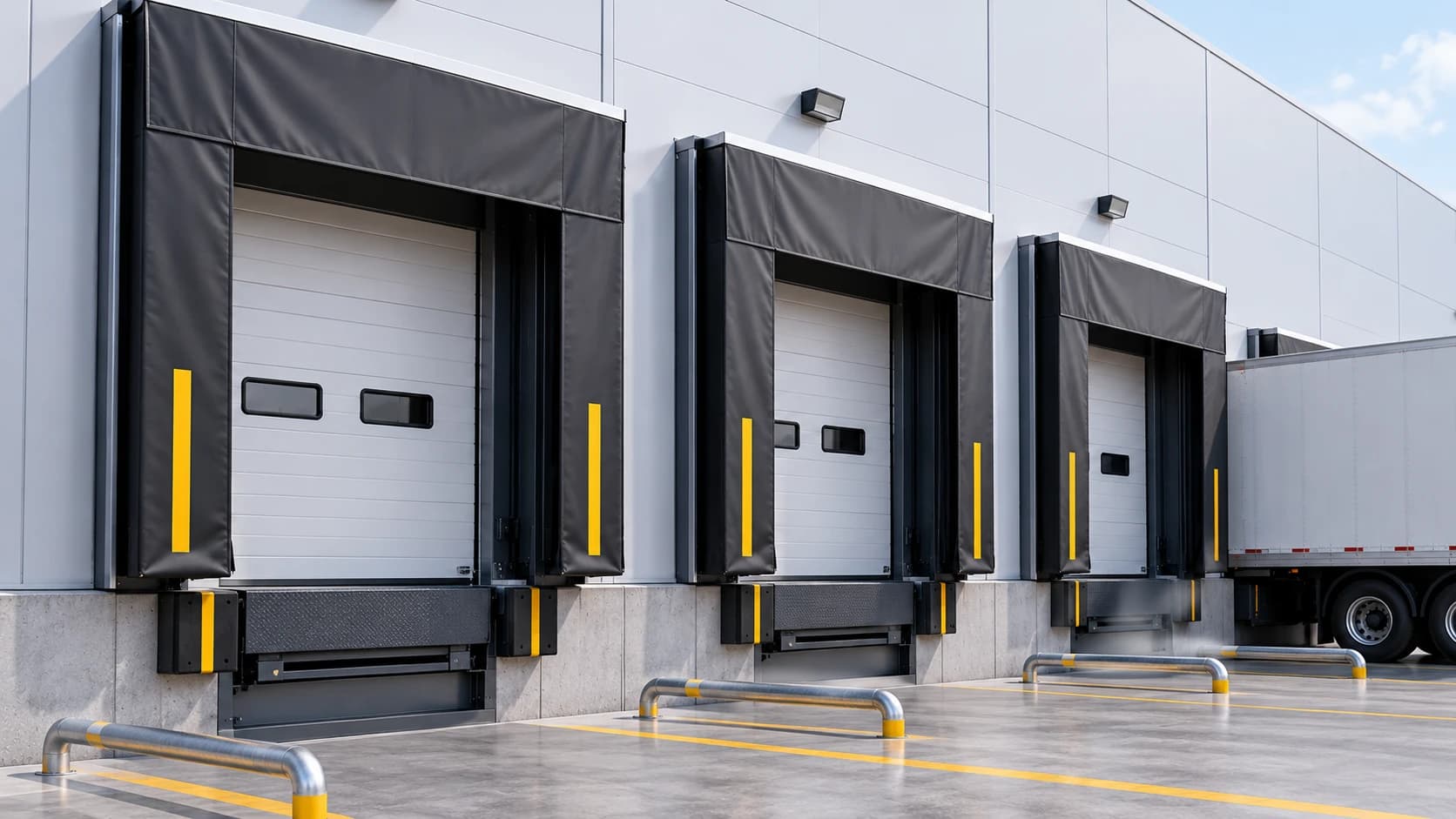
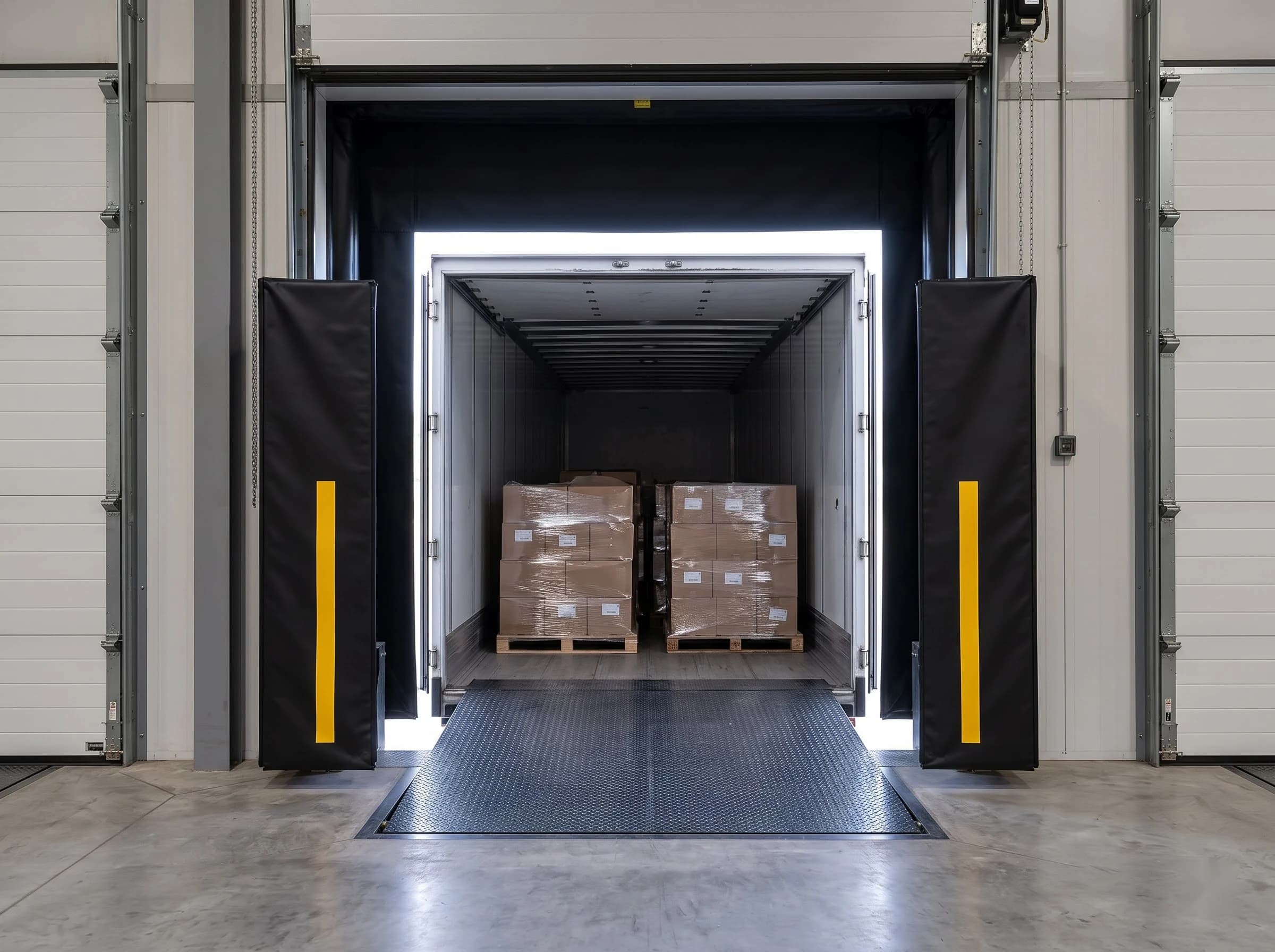
A dock leveller closes the gap under the trailer; a shelter or dock house closes it around the trailer. Without one, a docked opening is effectively a hole in the building — losing conditioned air and admitting rain, dust and insects for the whole time a vehicle is on the bay.
03Variants
The same product, built for a different job. Where a specification depends on opening dimensions, selected profile, operating duty or site conditions, the final configuration is confirmed during technical assessment.
Sprung frame with sealing curtains at the head and sides. The general-purpose arrangement for a mixed fleet.
A built-out housing enclosing the bay, used where the dock face sits flush with the building line or the fleet varies widely.
Inflating cushions form to the vehicle body for the tightest seal. Specified where temperature loss is the governing concern.
10Gallery
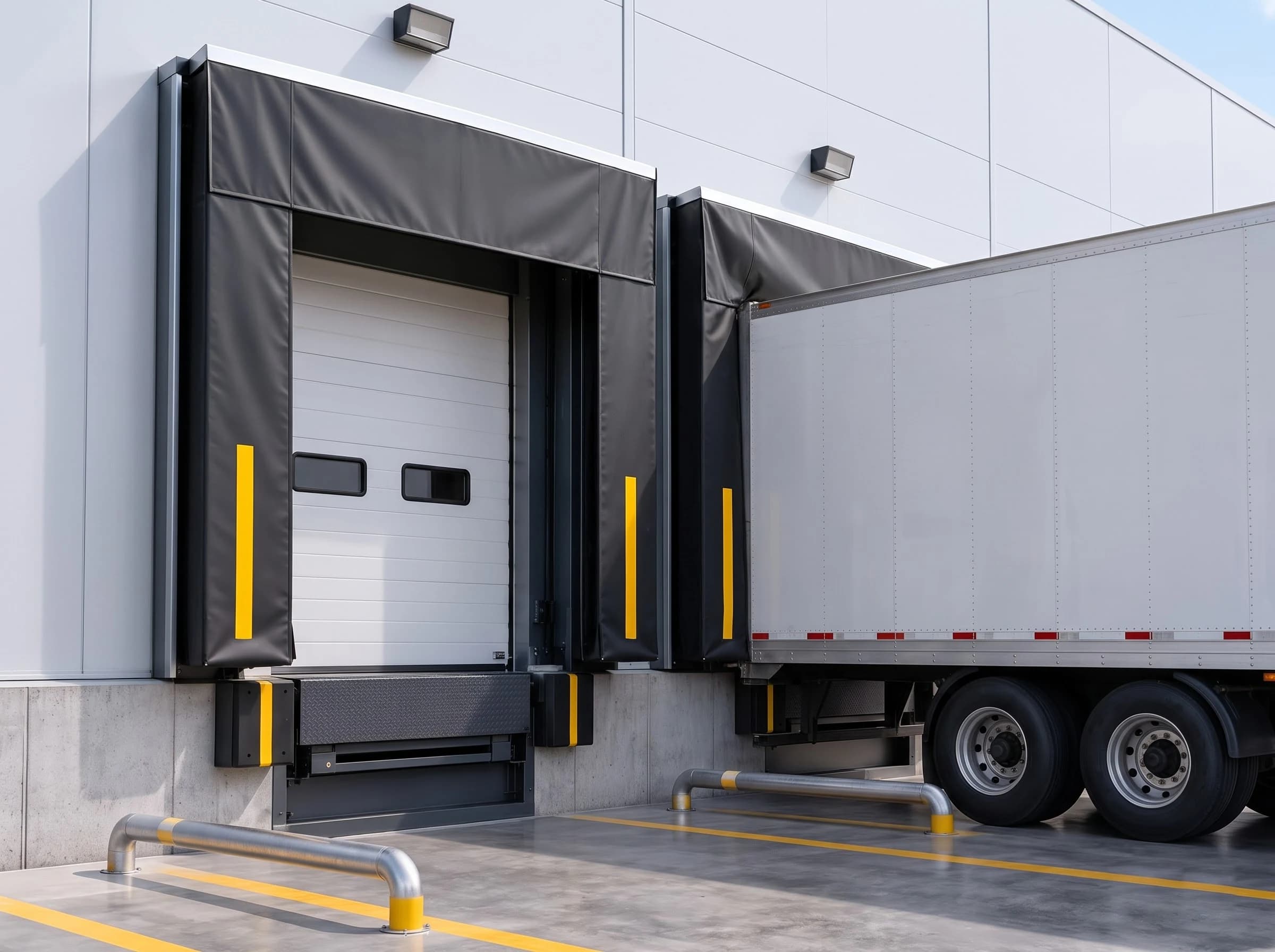
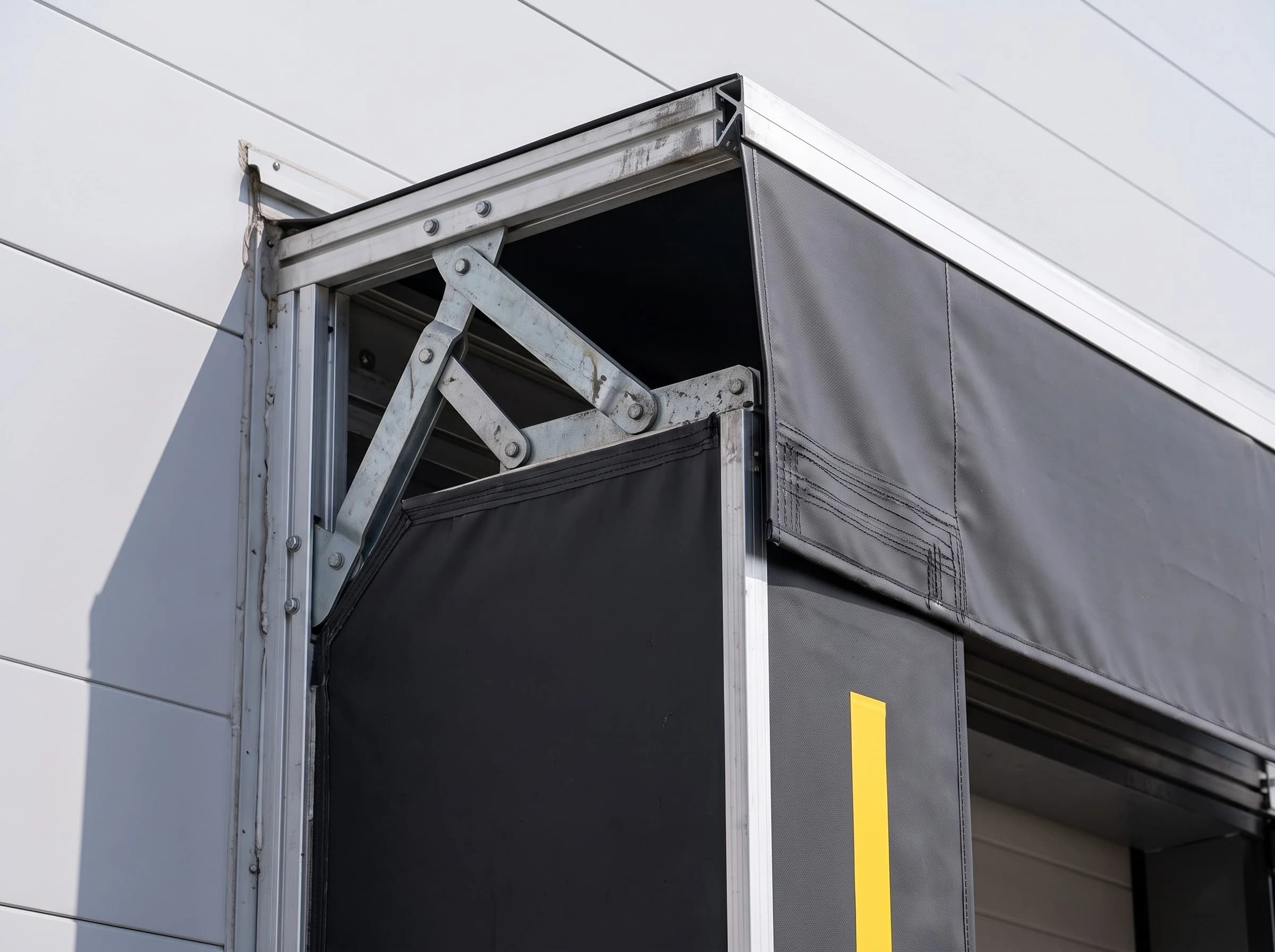
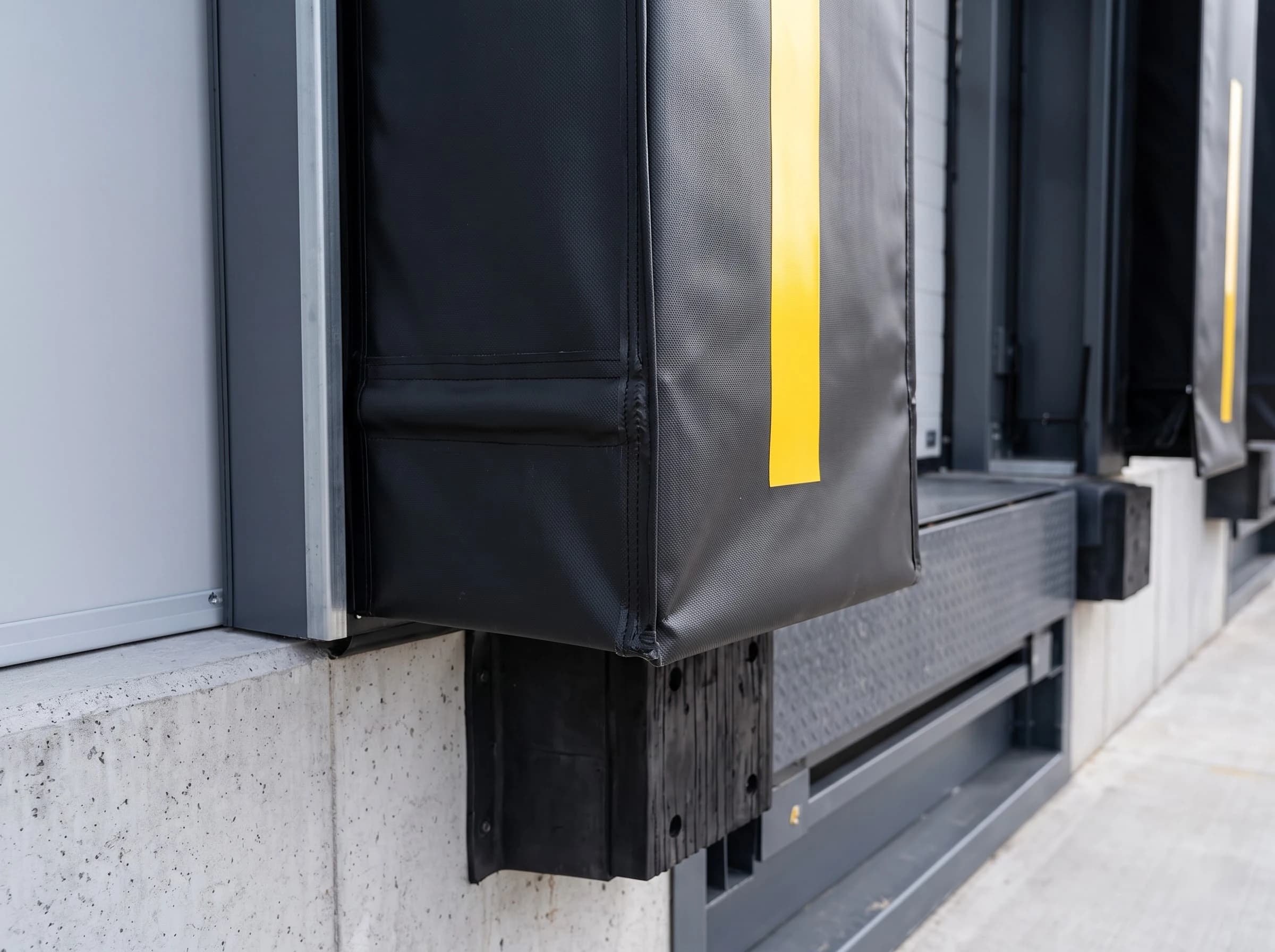
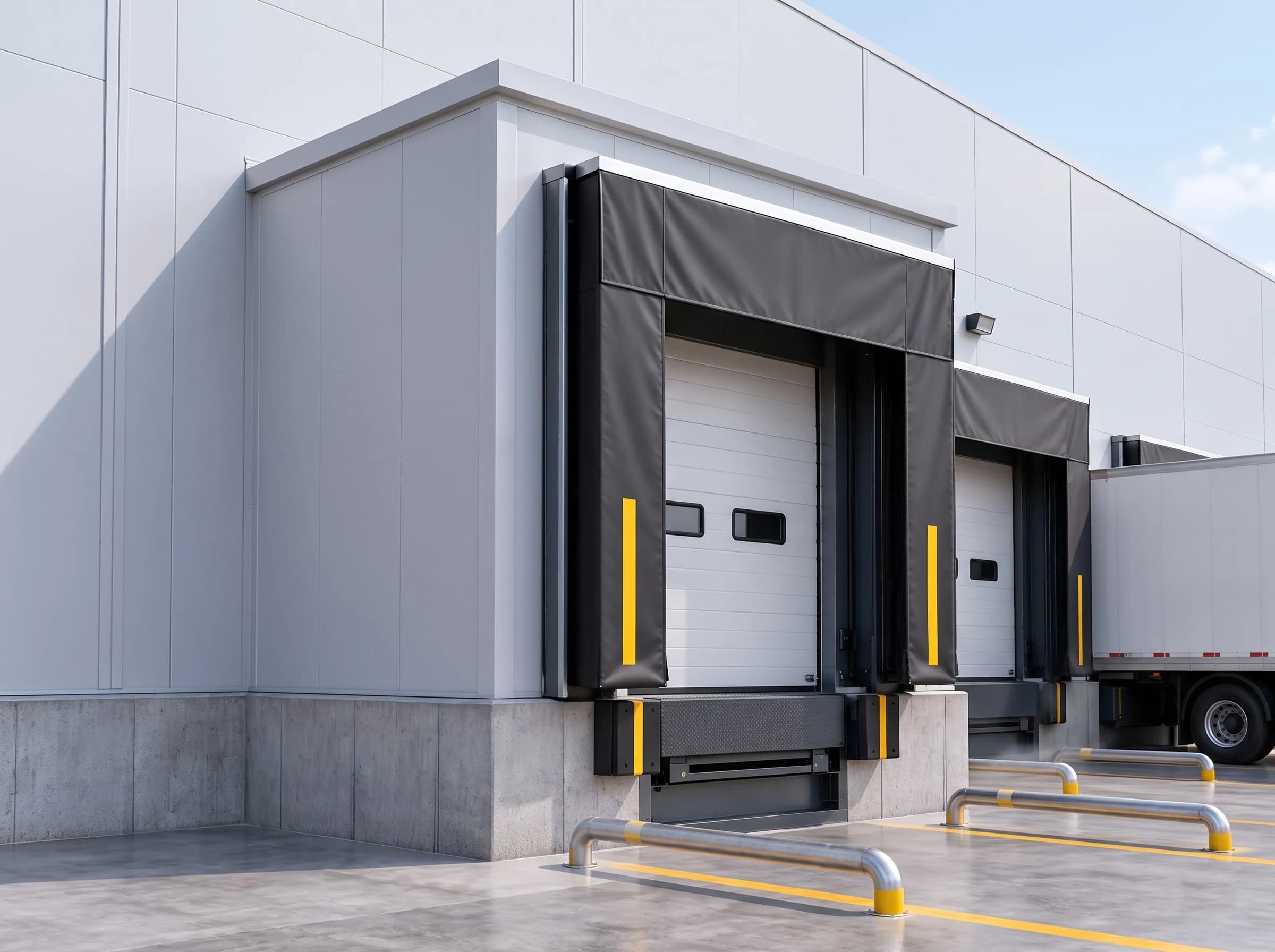
04Technical specifications
Technical data is shown first; features, applications, compatibility, installation, safety, ordering and downloads are a click away.
Curtain, cushion or inflatable.
The frame should deflect rather than load the building.
Heat retention, dust and water exclusion.
No harmonised product standard applies to dock shelters; the bay is specified as an assembly.
Required before any rating is published.
| Opening width | Made to the bay |
|---|---|
| Opening height | Made to the bay |
| Projection from the building line | Sized to the bay and the vehicle mix; confirmed at survey |
| Frame material | Aluminium alloy |
|---|---|
| Sealing arrangementCurtain, cushion or inflatable. | Curtain shelter: rubber front curtains with PVC-coated polyester-mesh or glass-fibre side curtains |
| Curtain material and weight | Front curtain 2–3 mm rubber sheet; side curtains PVC-coated polyester mesh or glass fibre (weight to be confirmed) |
| Head and side seal configuration | Rubber head curtain with flexible side curtains on a metal frame |
| Impact behaviourThe frame should deflect rather than load the building. | Flexible collision-avoidance frame that deflects on vehicle impact |
| Finish and colour | Made to the bay and to requirement |
| Wind loading | Above force 10 |
|---|---|
| Service life | 10–20 years |
| Operating temperature | Passive seal, no powered components; suited to the ambient conditions of the bay |
| FunctionHeat retention, dust and water exclusion. | Heat retention, dustproof, waterproof |
| Product standardNo harmonised product standard applies to dock shelters; the bay is specified as an assembly. | No harmonised product standard; the bay is specified as an assembly |
|---|---|
| Conformity marking | Certification dependent |
| Certificate referenceRequired before any rating is published. | Certification dependent |
Final specification depends on door dimensions, configuration, operating environment and project requirements.
FAQ
Engineering enquiry
Five answers about the opening are usually enough for us to come back with a configuration and a price.

Get in touch
If it is easier to describe the opening than to write it down, call or message us and we will work through it with you.